Volume 2 is here ✨
Sharing my full editorial from Meander Magazine Volume Two - Rest & Renewal

Rest isn’t something we gently drift into.
It’s something many of us have been trained to avoid.

In Volume 2 we investigate what it means to rest in our modern world.
What can we learn from nature?
What seeds of hope might emerge from our personal, communal, and cultural composting?
In How to Rest, Sarah Høilund reflects on how unsettling rest can feel. For some, it provokes guilt; for others, fear. We live within systems that prize urgency, productivity, and visibility, while offering little guidance on how to stop. We are taught what success looks like, but rarely how rest should feel.
Rest is often mistaken for inactivity, indulgence, or weakness. This misunderstanding overlooks what rest actually is.
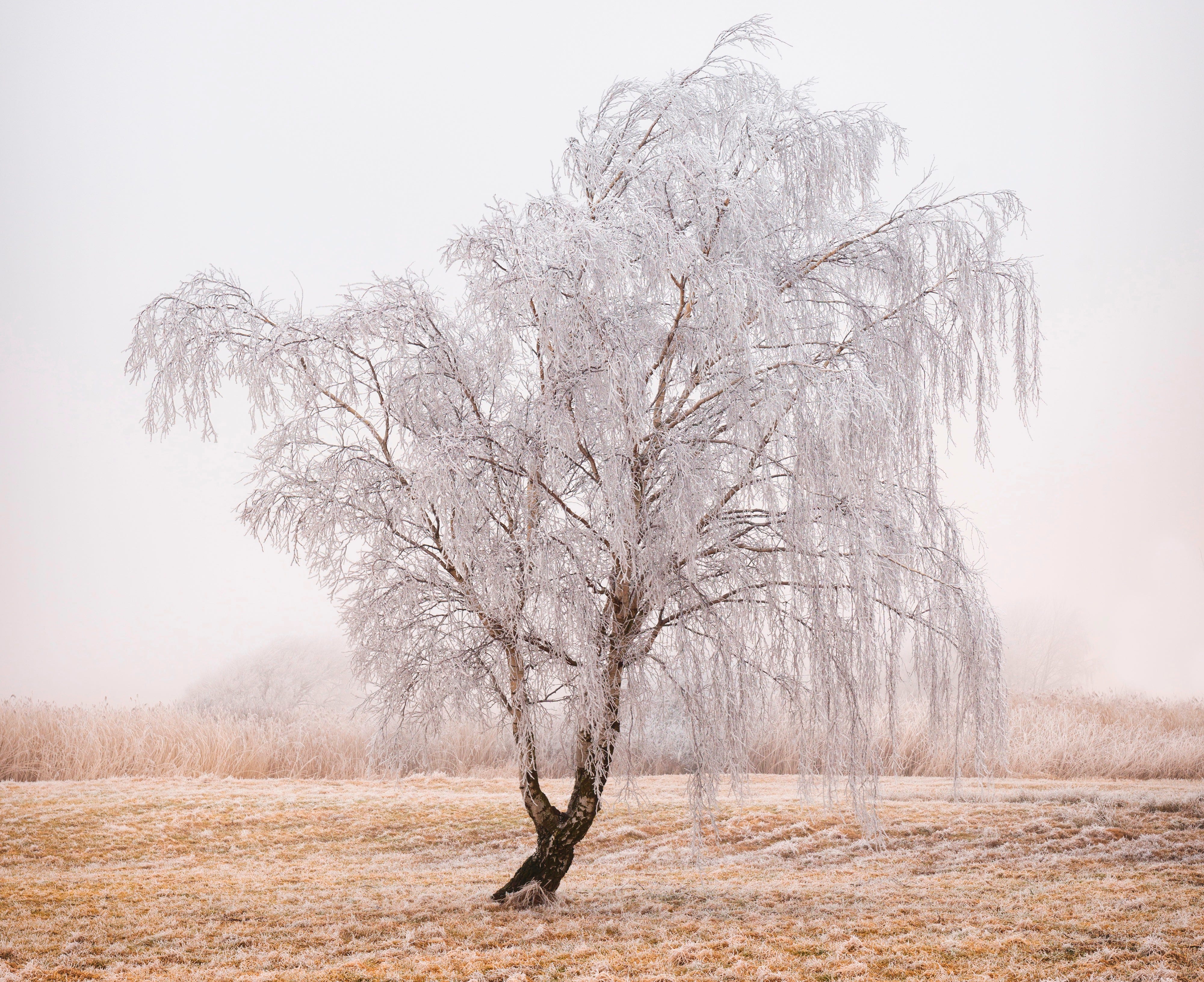
Rest is a radical act – a rejection of the pressures of modernity and of extractive, degenerative patterns. As Daniel Christian Wahl suggests, such patterns and systems of the Anthropocene are leading us toward an “evolutionary dead end”.
Yet as Tricia Hersey reminds us, rest is also unequal. Who gets to rest, and who is denied it, is shaped by injustice. Chronic exhaustion is not a personal failure; it is structural.
While rest might not come naturally to us, nature does not apologize for dormancy. Fields lie fallow. Trees shed their leaves. Seeds wait in darkness. The living world models rest not as a luxury, but as a necessary phase of any healthy cycle.
Dan Burgess guides us Into the Dark, showing us that winter is not simply a pause before renewal. It is a collective practice of learning how to stay present with uncertainty. In a culture trained to accelerate away from discomfort, this willingness to go into the dark together is itself a regenerative skill.
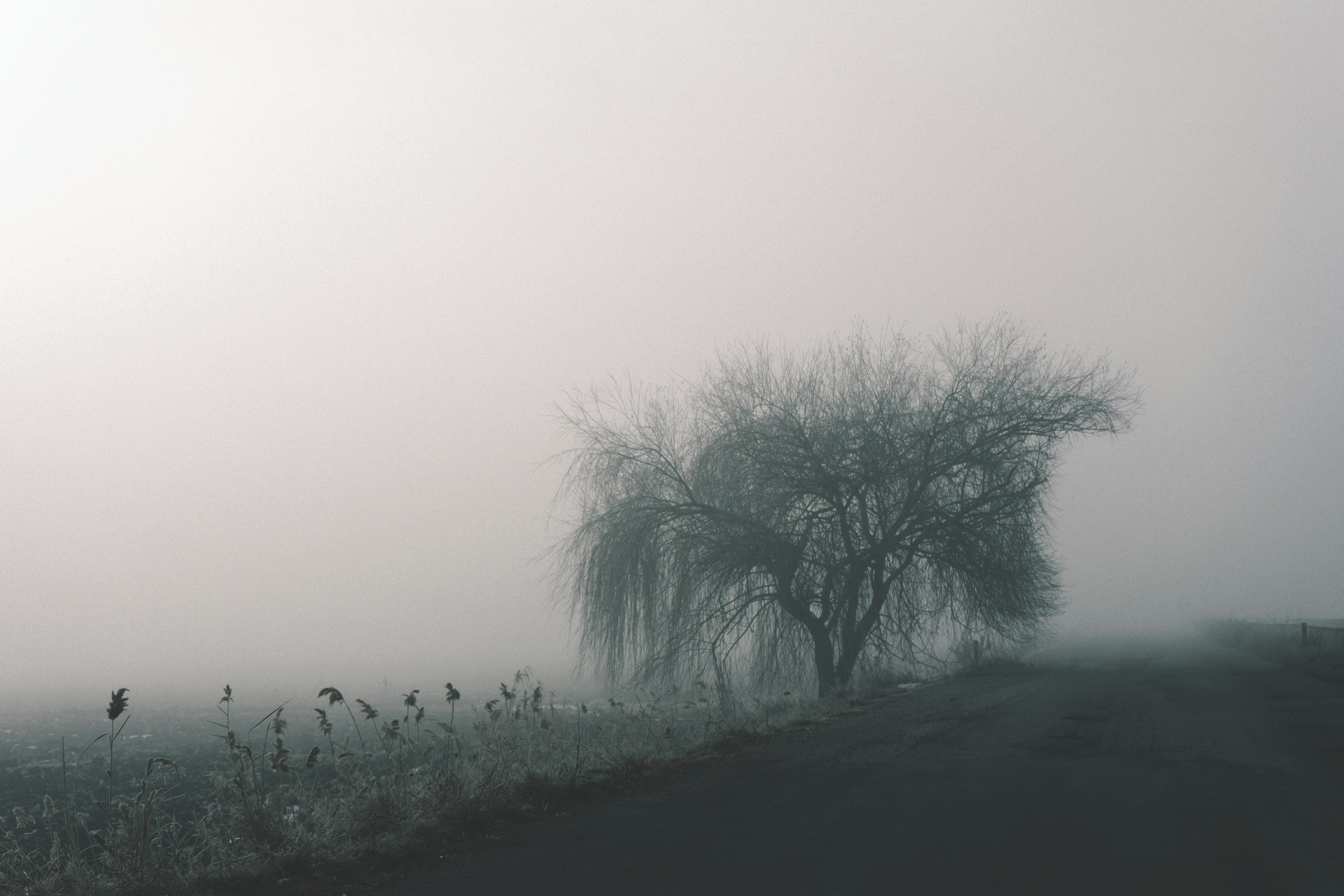
As the late Joanna Macy reminds us, regeneration begins when we slow down enough to feel – to process grief, reconnect with one another, and remember what we belong to. Without rest, there is no renewal, only repetition.
This volume is structured to move between reflection and practice. The stories in Reflections and Field Notes open perspective, while the guides in Rafts offer practical ways to integrate what arises into everyday life.
At Meander, we often speak about slow living. But the stories in this volume suggest something more demanding. They invite us to let go. To compost.
In The Art of Composting, Will Brown frames composting as a practice of transformation – allowing habits and identities that no longer serve life to decay. In Finding Fallow, Heather Knight reminds us that this process also has a season: a necessary wintering, where endings are honoured before renewal can begin.
This is not easy work. Across the stories in this volume, three truths about grief became clear to me. First, it is widely felt, shaped by shared pressures such as climate disruption and ecological loss. Second, grief is under-processed; there is little space in modern life to sit with it or ritualize it. And third, as we hear from Irina Panovich in Dancing Through Grief, it is rarely collective.

Career Composting
Career Composting is a series of conversations that move beyond job change into deeper terrain. Across many purpose-driven fields, people are sensing a quiet shift – not because the work no longer matters, but because the way it is organized feels misaligned.
What is being composted is not only the idea of career as a linear path or marker of worth, but the deeper patterns beneath it – performance, control, and the ego’s attachment to success. As Laura Storm reminds us, regeneration begins when these identities loosen, when parts of ourselves are allowed to fall away so something more alive can emerge. The question shifts from “what should I become?” to “what wants to emerge now?”. We cannot participate meaningfully in regenerative work without first regenerating ourselves. That regeneration begins with rest – with composting the identities and habits that no longer serve life.
At a regenerative storytelling event, we were asked what word or concept we might compost. For me it is the word advanced. It suggests linear progress and technological salvation. In its place, I’m planting other seeds: relational, attuned, emergent.
Throughout this volume, we encounter practices rooted in cyclical rather than linear ways of living.
In Whispers in the Soil, Chauntelle uses seed and dream-planting rituals to strengthen local community ties. Cycles are also learned at home. In The Seasons Within, Alana Mooi shows how cooking without fixed recipes – using what is available and paying attention to timing – allows the body to mirror nature’s rhythms.

As I walk with artist Evgenia Emets through the forest near her home, she speaks about choosing not to begin her year on 1 January, but at midsummer, and about learning to move in forest time, where growth unfolds through cycles of rest, decay, and renewal. In the forest, nothing is rushed, and nothing is wasted.
Cycles and seasons are also shaped by culture and land. In Stillness in the Turning, Corinne Lembe Mayunga introduces Dikenga, the Kongo cosmogram of cyclical time, where Musoni – the midnight realm – holds gestation and renewal. Here, stillness and darkness are not avoided, but honoured as essential phases of life.
We have entered a darker season. Rather than flee it, this volume invites us to sit with it – resisting false hope and constant illumination.
In the Celtic calendar, Imbolc marks a time of quiet stirring beneath the ground – a threshold between rest and renewal. Let us honour this fallow period and see what might emerge.